
Tư vấn
Pokies Strategy for Bankroll Management: Making Your Money Last Longer
Walking into a Darwin pub on a humid arvo, you can smell the old carpet and hear the pokies humming before you see them. That same steady hum follows you home when you play online, except now the only thing watching you is your own balance. A sensible pokies strategy for bankroll management is not about beating the machine; it is about deciding how long you want the session to run and refusing to let a hot streak or a cold streak write the rules for you.
Setting a Session Limit Before You Spin
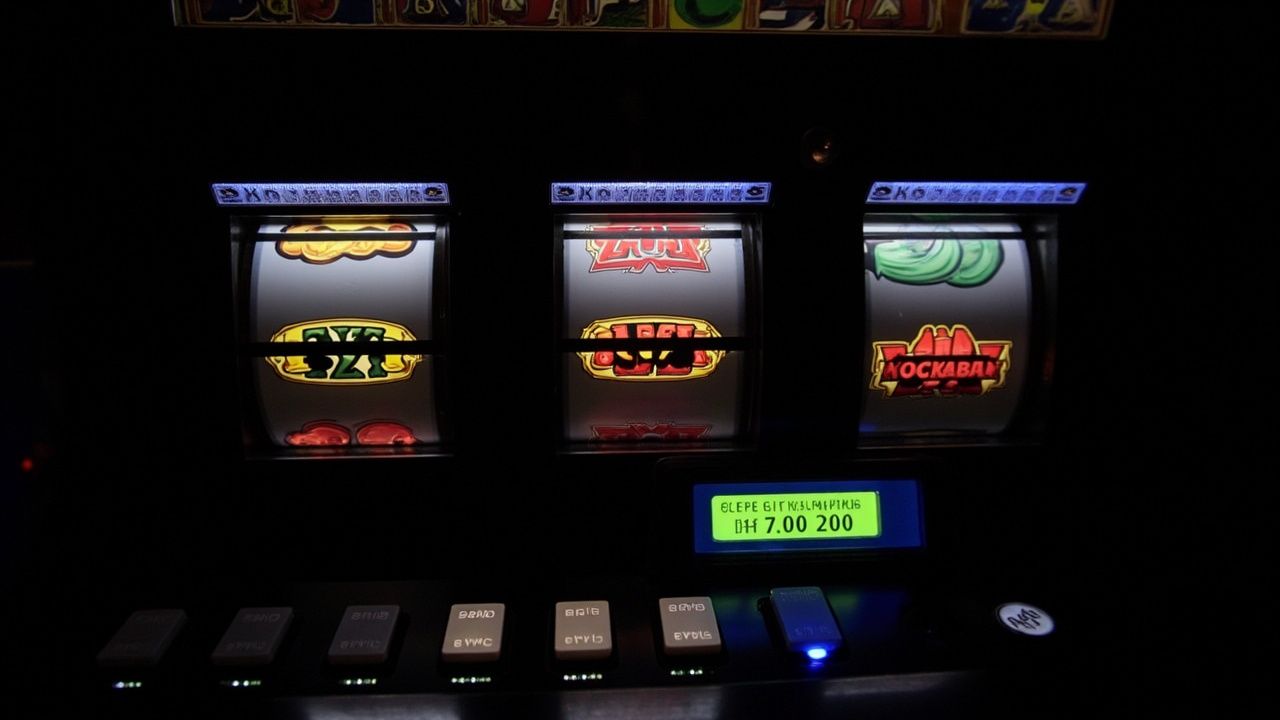
The first real decision happens before you tap a single payline. You pick a figure that would not ruin your week if it vanished completely, then you treat it like a ticket to a show rather than an investment portfolio. That amount is your session bankroll, and it stays separate from the rent money, the grocery fund, and the savings account that earns interest at a pace that would make a snail seem athletic. Once you have that number locked in, you divide it by the number of spins you actually want to play. If you bring fifty dollars and reckon you will spin about two hundred times, you are looking at twenty-five cents of exposure per spin. That maths keeps the mood light. Without it, you are just feeding coins into a machine and hoping the mood holds.
The lobby itself does not help much with this discipline. A well-organised game mix makes it easier to find what you want, but a cluttered one full of flashing thumbnails and vague categories will coax you into playing something you did not plan for. Search filters and provider tabs are useful only if you use them before the first spin, not after you have already chased a loss. A practical pokies strategy for bankroll management starts with the same kind of tidy thinking you apply to a shopping list: decide what you came for, stick to it, and ignore the display aisles that were designed to make you wander.
| Detail | What It Means for Your Session |
|---|---|
| Session bankroll | A fixed amount you are willing to spend, kept separate from everyday money |
| Spin budget | Your bankroll divided by the number of spins you plan to play |
| Loss limit | The point where you stop, no matter how tempting the next spin looks |
| Time check | A simple alarm or watch glance so the arvo does not disappear |
Reading the Machine, Not the Myths
Pokies do not remember your last spin, and they certainly do not care whether you are playing in a Darwin club or on a phone in your living room. Each round is independent, which is a polite way of saying the machine has no memory and no loyalty. What it does have is a return-to-player percentage set by the game design, and that figure is a long-run average, not a promise that a win is due. The moment you start believing a machine is “warm” or “due”, you have already started spending money on a story instead of a game.
Volatility is the more useful idea, because it tells you how a game tends to behave over a session. A low-volatility pokies game pays smaller amounts more often, which can keep a modest bankroll ticking along without dramatic swings. A high-volatility game holds back longer and then delivers bigger hits less frequently, which is fine if you have the bankroll to survive the quiet stretches. Matching the game to the bankroll is the whole point. If you bring a thin stack and sit down at a high-variance machine, you are not being brave; you are just shortening the session and making every dry run feel personal. A sensible pokies strategy for bankroll management means picking a game whose pace suits the money you actually brought, not the money you wish you had.
There is also the matter of bet size. Some players think pressing the max button makes them look serious. It usually just makes the balance drop faster. If the game allows you to adjust lines or coin value, do it with the session budget in mind. A smaller bet that keeps you in the room for longer is often more satisfying than a large bet that burns through the stack before the first coffee goes cold. The machine will not thank you for either choice, but your future self might.
Matching the Plan to How You Actually Play
Not every session is the same, and a rigid plan breaks the first time real life gets involved. Some nights you want a slow hour with a small bankroll and a low-volatility game that keeps the screen busy without asking for much. Other times you are there for a shorter run, a higher-variance title, and a clear stop point before the mood turns into a marathon. The trick is to decide which version of the evening you are having before you start, because changing your mind halfway through is how a tidy limit becomes a messy one.
The same thinking applies to bonuses and promotional credits, which can be useful only if you read the terms before you celebrate. Wagering requirements, game contributions, and time limits are not there to annoy you; they are there to tell you what the offer actually costs in practice. If a bonus turns your session into a sprint through a maze of conditions, it may not suit a player who values a calm run. If you prefer a straightforward session with your own money and a clear limit, that is a legitimate choice too. A pokies strategy for bankroll management works best when it fits the way you play, not the way a marketing email assumes you should play.
Payments and registration details matter here because a messy account makes a messy session more likely. If your deposit method, currency, and withdrawal path are all straightforward, you are less likely to lose track of what is play money and what is not. If you are fiddling with conversions, pending statuses, and unclear limits, you are adding friction to a pastime that already has enough of its own. Keep the account tidy, keep the session tidy, and let the game be the only unpredictable part. wanted dead or a wild
Verdict
A solid pokies strategy for bankroll management is mostly about restraint dressed up as planning. Set a session amount, divide it into a spin budget, pick a game whose volatility matches that budget, and stop when the limit says stop. The machines will keep humming regardless, but at least you will know exactly how long you wanted to listen.